Nepal’s climate varies considerably both seasonally and according to altitude. Nepal can be divided into different climate zones according to altitude, ranging from the Terai region in the south at less than 500 m above sea level to the High Himalayan region in the north at over 5,000 m. Average temperatures decline from a peak of over 24°C in the south down to sub-zero temperatures in Nepal’s highest mountains. Precipitation is spatially variable with some central and northerly pockets of the country receiving more than 3,000 millimeters (mm), the central and southern plains typically receiving 1,500 – 2,000 mm, and some high-altitude areas in the north receiving less than 1,000 mm.
The most popular months to trek in Nepal are October and November, but some routes are busy. Be sure to plan in advance.
December to February is quieter, and an excellent time to trek.
March to May is too hot to trek in the lower regions, but comfortable higher up, unless you get a thunder storm! June to Mid-September is the monsoon season.
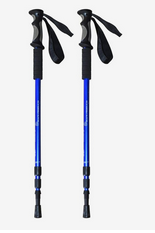
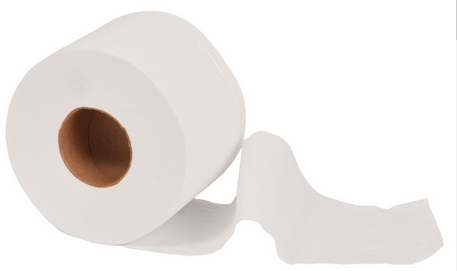
If you don't have all your trekking gear, buy it cheaper in Kathmandu! There is plenty of competition, so you shouldn't have any difficulty.Wise Trek will tell you the best places, if in doubt. You need good quality boots, water purifying tablets and toilet roll if you are going on a long trek. You should also consider hiking poles.
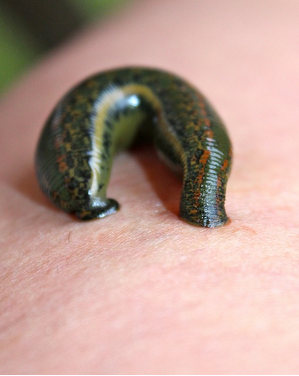
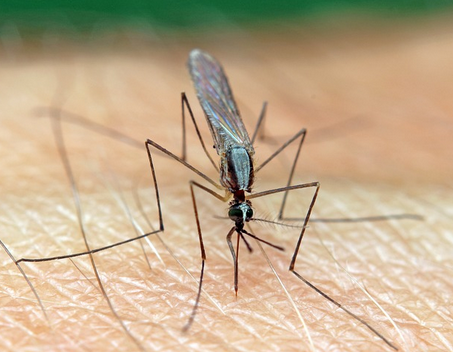
Dangers include mosquitos and leeches, particularly if it rains, and diorreah!
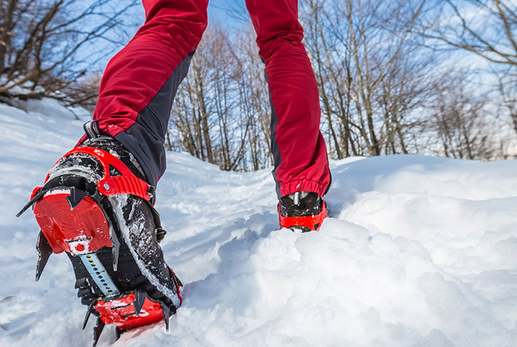
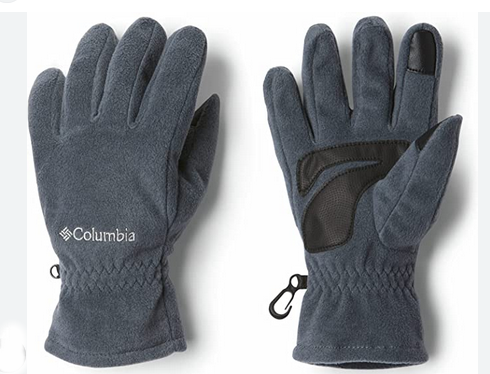
We can provide you with warm winter gloves and socks, crampons and medicine if needed.